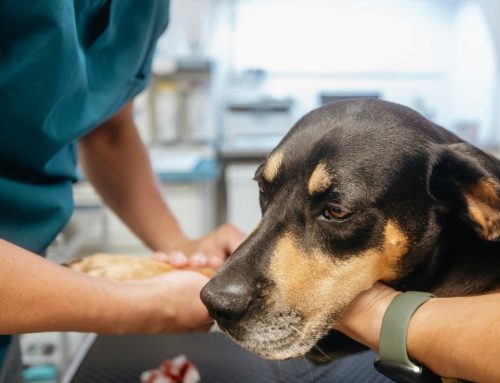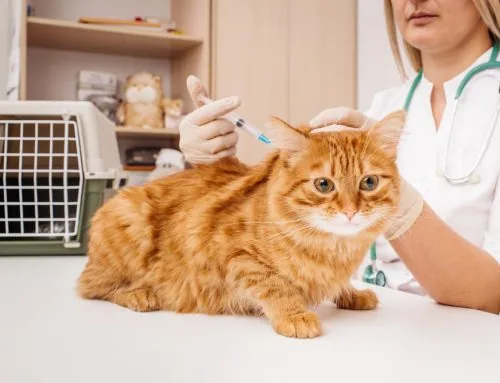

You have a seizure patient whose control has slipped on a protocol that looked reasonable, and the client is asking what changes today. The productive next step is a structured re-evaluation rather than another anticonvulsant stacked on the last one. Reconfirm that the diagnosis still fits, rule out the pseudo-refractory causes, and use therapeutic drug monitoring to separate an inadequate serum level from true pharmacoresistance. Work in that order, because escalating on an unconfirmed diagnosis costs time in a patient already drifting toward cluster seizures or status epilepticus.
Inconsistent control is one of the most common reasons a seizure case reaches a neurologist, and the answer is often already in the record: a dose that was never titrated to effect, a trough level nobody drew, or a diagnosis that was presumed rather than confirmed. When a case like that needs a second set of eyes, VESPECON is your hub for clinical advisory support, and the patient stays in house while the protocol gets rebuilt. When control keeps slipping on a protocol you expected to hold, start a neurology consultation with us.
What Failing Seizure Control Usually Means
- True pharmacoresistance is less common than the record suggests. A compliance gap, an untitrated dose, or a presumed diagnosis explains most apparent drug failure, and therapeutic drug monitoring separates an inadequate serum concentration from a medication that has had a fair trial and failed.
- Reconfirming that the presentation fits idiopathic epilepsy, rather than a structural, reactive, or atypical process, keeps escalation from being aimed at the wrong target.
- Cluster seizures and status epilepticus call for a written rescue protocol and a hospitalization threshold defined before the next event.
- The benchmark for long-term seizure management is a meaningful reduction in frequency, duration, and severity rather than complete freedom from seizures, and most patients stay on therapy for life with periodic reassessment.
Where Do You Start When Control Begins to Slip?
Start with the record rather than the formulary. A disciplined approach to the seizure patient answers four questions in order: is the diagnosis correct, is the current drug truly optimized, are the seizures genuinely refractory, and what outcome is realistic for this patient. Answer them before anything new goes on the protocol.
Sequence matters because each answer changes the meaning of the next one. A second agent layered onto a first that never reached a therapeutic concentration tells you nothing useful about either molecule, and a patient whose events are driven by an expanding mass will break through whatever gets stacked on top. Worked in order, most of these cases sort into three piles: a protocol problem you can fix this week, a different disease that needs imaging, or a patient who needs a neurologist's hand on the plan.
Is This Still Idiopathic Epilepsy?
Idiopathic epilepsy remains a diagnosis of exclusion, resting on an onset between roughly six months and six years, a normal interictal neurologic examination, and unremarkable bloodwork and imaging. A patient who no longer fits that profile deserves a fresh look at the classification. Classification drives which diagnostics are worth running, which drug class fits, and what you can honestly tell a client about prognosis.
What Points Toward Structural or Progressive Disease?
Seizures are frequently the first and sometimes the only clinical sign of brain tumors in patients older than about six years. A late-onset or escalating seizure pattern shifts suspicion toward structural disease for that reason.
Trajectory is the tell. A dog who held at one event every few months for two years and is now clustering monthly has changed, and that change carries information whether or not the interictal examination has caught up to it. Neoplasia, meningoencephalitis of unknown origin, infectious encephalitis, and vascular events all live in this category, and MRI paired with cerebrospinal fluid analysis is what separates them. Teleradiology puts a boarded radiologist on the CT and radiographs early, which sharpens the question before the patient travels anywhere.
Could the Seizures Be Reactive or Toxic?
Toxin-induced seizures from agents like permethrin, bromethalin, and metaldehyde can be indistinguishable from a breakthrough epileptic event at presentation, and an intermittent household exposure produces exactly the on-again, off-again pattern that reads as failing drug control.
Metabolic drivers sit in the same category. Hepatic encephalopathy in a young patient with a portosystemic shunt, hypoglycemia from an insulinoma in an older one, hypocalcemia, and electrolyte derangement all generate reactive events that no anticonvulsant will hold. A current minimum database, bile acids where the signalment fits, and a blunt conversation about what's new in the household, such as a renovation, a rodenticide in the garage, or a permethrin spot-on applied to the resident cat, catch more of these than another dose increase ever will.
Are You Counting the Right Events?
Seizures in cats frequently present focally, with facial twitching, salivation, pupillary dilation, or an abrupt behavioral change rather than a generalized tonic-clonic event, and episodes like these are routinely missed or miscounted in the history.
Feline audiogenic reflex seizures are triggered by specific high-pitched sounds such as crinkling foil or tapping a keyboard, most often in older cats, and the myoclonic jerks they produce are easy to record on a phone once a client knows what to watch for.
Dogs have their own version of the problem. Focal events with preserved awareness, a long post-ictal phase logged as several separate seizures, and non-epileptic paroxysmal events such as syncope or dyskinesia all distort the count. Video clarifies semiology faster than any verbal description, and a frequency number built on video is one you can treat against.
Is This Pseudo-Refractory or Truly Refractory?
Most cases that look refractory are pseudo-refractory. Serum concentrations drawn once a drug has reached steady state are what separate an underdosed patient from a failing one, and anticonvulsant therapy cannot be called ineffective until a documented therapeutic concentration has been reached and the seizures continue.
| Pseudo-refractory cause | How it shows up | What settles it |
| Incomplete compliance | Breakthrough events clustering around travel, weekends, or a change in who feeds the dog | A non-judgmental count of missed doses and a written dosing log |
| A dose never titrated to effect | Started at a published starting dose and never revisited after the first recheck | Titration against both concentration and clinical response |
| Subtherapeutic concentration | Seizures continuing on a reasonable mg/kg, often with autoinduction over months | A trough level drawn at steady state |
| Drug mismatched to the presentation | Poor response in a cat, or in a patient with focal or cluster-predominant disease | Reassessing semiology and drug selection together |
| A plan judged too early | Declared a failure at two or three weeks, most often on bromide | Holding the course until steady state before drawing conclusions |
Compliance is the one nobody wants to raise directly, and it's the one that moves the most cases. Asking how many doses got missed last month lands better than asking whether any did. Two mechanical causes are easy to miss: a change in dietary chloride will shift bromide concentrations without anyone touching the dose, and a switch between formulations or compounding pharmacies can do the same to phenobarbital. Never stop phenobarbital abruptly while you sort this out, because withdrawal can precipitate status. When the levels are in hand and the picture still doesn't reconcile, a specialist case review puts a neurologist on the record before anyone commits to a second molecule.
How Do You Escalate a Truly Refractory Patient?
Escalation is additive rather than substitutive once the first drug sits at a documented therapeutic concentration. Something on the order of a quarter to a third of epileptic dogs stay poorly controlled on monotherapy, and refractory epilepsy treatment plans generally layer a second agent onto an optimized first drug rather than swapping one for another.
Choosing among the available antiseizure medications comes down to species, hepatic function, the dosing frequency a household can realistically sustain, and the comorbidities already on the problem list. The second drug that suits one refractory patient is often the wrong choice for the next.
Rational polytherapy keeps the number of moving parts low. Change one variable at a time, give each change a fair window, and keep the seizure log running through the transition to show what the addition bought. Set the target with the client before the second prescription goes home, because a plan aimed at eliminating seizures entirely tends to be abandoned the first time one happens anyway.
Do Diet and Adjunctive Therapies Have a Role?
Adjunctive measures sit alongside an optimized protocol, never in place of one. Dietary approaches, including medium-chain triglyceride supplementation and ketogenic-style nutrition, have some support as an add-on in dogs with incomplete control, and they're worth considering case by case rather than applied across the board. Neurological rehabilitation can support patients whose function is compromised by prolonged post-ictal deficits or concurrent neurologic disease.
What Should the Rescue Plan Look Like for Clusters and Status?
Status epilepticus and cluster seizures carry real risk of hyperthermia, neuronal injury, and death when the cycle is not interrupted quickly. Every patient with unstable control should leave the practice with a written home rescue protocol and a defined threshold for hospitalization.
At-home rescue, usually a rectal or intranasal benzodiazepine, interrupts a fair number of clusters before they become an emergency presentation. The threshold is what the household needs in writing: how many events in what window, how long a single event may run, and the point at which they stop dosing at home and drive. Any patient still convulsing on arrival, or failing to return to baseline between events, belongs at the nearest veterinary emergency hospital with overnight staffing. Once that patient is stable, boarded criticalists and neurologists in our network can review the case and help rebuild the protocol before discharge.
When Is It Time to Refer for Advanced Diagnostics?
Referral is a clinical judgment call rather than a last resort, and the cases that benefit most are the ones sent before the third failed escalation instead of after it. The trigger isn't a fixed number of drugs tried. It's a patient whose picture has changed, whose workup has outgrown what a general practice can run, or whose stability is in question.
| What you're seeing | Why referral changes the answer |
| Seizures escalating or changing character | Advanced imaging and CSF analysis confirm or exclude a structural or inflammatory process |
| Onset outside the idiopathic window or an abnormal interictal exam | Structural disease gets staged and treated on its own terms instead of medicated blindly |
| Ongoing seizures after the first drug is optimized | An escalation plan gets built around documented levels, comorbidities, and seizure pattern |
| Clusters, status, or no return to baseline | Inpatient stabilization, plus a rescue protocol the household can run at home |
What we add on the imaging side is interpretation. CT, radiographs, echocardiograms, and ECGs come back with specialist imaging interpretation, read with the clinical question in mind. MRI and cerebrospinal fluid collection happen at a referral facility, and we arrange that through our partner specialty hospitals while staying on the case with you. A pre-referral conversation is often enough on its own.
How Do You Keep the Client Invested in the Protocol?
Client factors make or break control, and the referring clinician holds most of that ground. Consistent administration, an honest accounting of missed doses, and a log kept in real time do more for long-term outcomes than a second prescription does, provided expectations were set at the start.
A good log answers a question memory can't: is control failing, or is it being perceived as failing? Ask for the date, the duration, a description of what the event looked like, and anything that preceded it, plus video whenever filming is safe. Three events in a week feels like collapse to a household, but three events in a week that have occurred twice a year for three years is a stable cluster pattern, and the record is what tells those apart. When coaching clients through documentation is the part that keeps stalling, we run continuing education built around your team.
What Referring Veterinarians Ask Us About Refractory Seizures
How Long Should a New Anticonvulsant Run Before I Call It a Failure?
A new anticonvulsant needs long enough to reach steady state, then long enough to compare against a documented baseline. Phenobarbital gets there in roughly two weeks; bromide can take two to three months. That lag is the reason many bromide protocols get written off before they were ever tested. Judge against the patient's own pre-treatment frequency over a comparable window rather than against a calendar month, and confirm a therapeutic concentration before that drug goes on the failed list.
When Is Therapeutic Drug Monitoring Worth Running?
Therapeutic drug monitoring is worth running any time the next decision depends on the result. That covers breakthrough seizures on a previously stable protocol, the point before a second agent gets added, any dose change once steady state is reached, new sedation or ataxia suggesting the level has climbed, and a patient whose hepatic enzymes are trending upward. Running a level is far cheaper than a year of escalation aimed at a medication that was never in range to begin with.
Should I Push the Current Drug Higher or Add a Second One?
Push the current drug first, provided the concentration sits below the upper end of the range and the patient tolerates the increase. Monotherapy at a documented therapeutic level is simpler for the household to sustain and much easier to interpret later. Once the level reaches the upper range and seizures continue, or adverse effects cap the dose, add rather than substitute, and hold the first drug at its optimized dose while the second one comes up.
Working a Failing Seizure Case in Order
Inconsistent control usually resolves under a structured re-evaluation, and the fix is more often a level, a missed dose, or a misclassification than a new molecule. What doesn't fit that pattern is the tell: a patient who is clustering, deteriorating, or showing signs of progressive disease has outgrown first-line management.
Those are the cases VESPECON exists for, and the conversation is easier before the protocol has been rewritten three times. When you're ready, start a case conversation and we'll build the next step together. If a patient is in status or won't stabilize between events, the nearest veterinary emergency hospital comes first and we can pick the case up from there.